
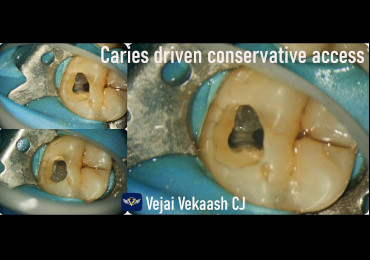
A root canal is actually two things: it’s a physical part of your tooth, and it’s the name of a common dental procedure used to save that tooth when it gets severely infected or damaged.
Instead of pulling a dying tooth, a root canal cleans it out from the inside, stops the pain, and lets you keep using it.
The Anatomy of a Tooth
To understand the procedure, it helps to look at how a tooth is built. Your tooth isn’t solid bone all the way through; it has layers:
-
Enamel & Dentin: The hard outer layers that protect the tooth.
-
The Pulp Chamber: The hollow center at the core of the tooth.
-
The Root Canals: Narrow pathways that branch down from the pulp chamber through the roots of the tooth, connecting to the jawbone.
Inside this center system is the pulp—a soft tissue made up of sensitive nerves, blood vessels, and connective tissue. While the pulp is vital while a tooth is growing, a fully mature tooth can easily survive without it because it gets its main nourishment from the surrounding gums and bone.
Why the Procedure is Needed
When bacteria manage to breach the protective enamel and dentin—usually due to a deep cavity, a cracked tooth, or repeated dental issues—they reach the pulp chamber.
Once bacteria get inside, the pulp becomes inflamed and infected. Because the tissue is trapped inside a hard tooth, it has nowhere to swell. This buildup of pressure pinches the nerves, which is why an infected tooth root usually causes intense, throbbing pain, sensitivity to hot and cold, or swelling in the gums. If left untreated, the infection can form an abscess (a pocket of pus) at the root tip and eventually destroy the surrounding jawbone.
How Root Canal Treatment Works
The actual procedure is highly straightforward and functions very much like getting a deep filling. It is typically done under local anesthesia, meaning the area is completely numbed and you won’t feel pain during the process.
The Big Myth: Many people fear root canals because they associate them with extreme pain. However, modern dental techniques and effective numbing agents mean the procedure itself feels no different than getting a routine cavity filling. The procedure actually relieves the severe pain caused by the infection.